Dear Capt Lim,
It was mentioned that a pilot has to retire at the age of 60 years old. May I know is there any job prospects after the airline retirement? What can an ex-airline pilot do after retirement?
I am 15 and planning to take up Diploma in Aviation at Melbourne, Australia after my studies here in the Philippines. I am an Indian and it's been my dream to fly big jets for Qantas.
I am really confused getting into the aviation industry. Pease watch this video here and explain what's going on.
It says that pilots have to spend $100,000 for their license and gets a really low salary in exchange for something like 40k a year.
Why is it that some pilots don't get good position in their career and neither a good opportunity for promotion? Would it take me more than 10 years of flying small planes before I go to the big ones?
I have been a 'flying doctor' for a good part of the last eight years as well as a frequent long-haul flyer. I have flown many hours in all manner of aircraft.
Never have I experienced turbulence like I encountered while flying in a small Westwind jet over the South Pacific towards American Samoa. It was without warning, like a rollercoaster, went on for close to 3 or 4 mins and I was out of my seat at the time.
Now I have panic attacks even thinking about flying and obviously it affects my job. I have read widely on the facts about turbulence and your site has been very helpful.
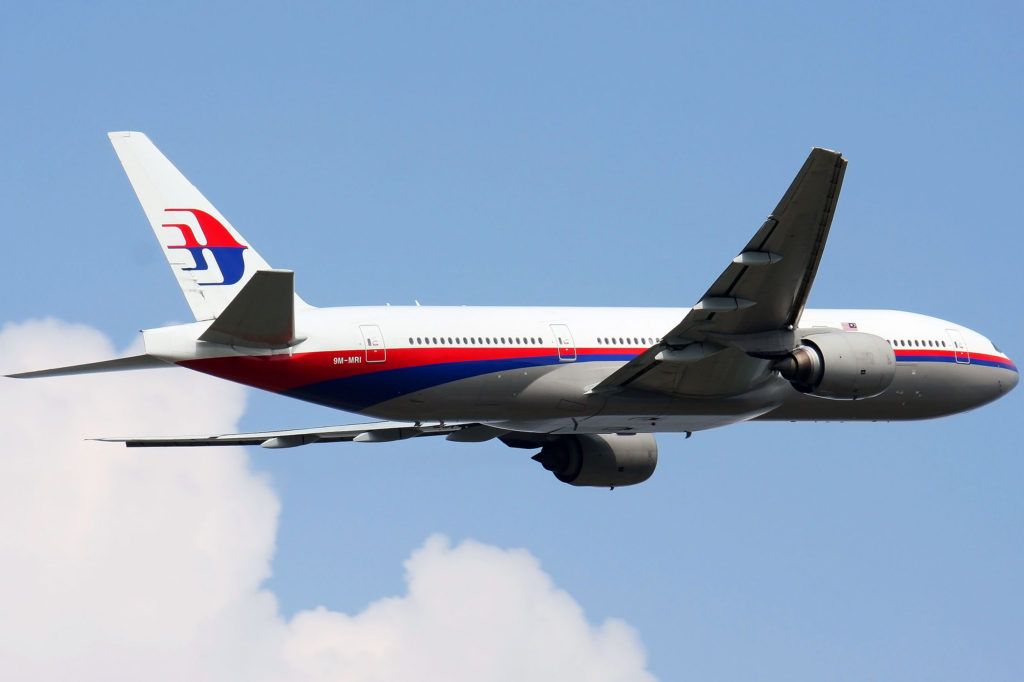
Recently, I flew internationally on the 777. I knew there was turbulence suppression technology on the aircraft and for the first time in some months, I began to have some confidence again.
How do you execute a safe crosswind landing on a multi-engine aircraft? Does it involve manipulating the throttles on top of applying cross controls in order for the aircraft to 'crab' on the approach? And how do you judge as to when you would round off just before touching down? Is there a decision height that is used as a reference for rounding off?
The reason as to why I'm asking this question is because of the video that was aired on YouTube on Flight LH404 that attempted to land at Hamburg.
I really appreciate it if you could explain as to what was the mistake that the pilot in command made while attempting to land and how should it be properly done.
Thank you so much for taking the time to answer my queries and many thanks for having this wonderful website!
Can you advise as to what the First Officer of the Boeing 777 which crashed at Heathrow would have done to extend the plane's flight in an effort to reach the runway? This plane was very low, if descending from a cruising height without power, how would the pilot maximize the glide distance?
Is it true the Boeing 747 has the best glider characteristics for a commercial jet?
In a recent flight I got the impression that the entire landing was one long glide. Are pilots encouraged to "glide in" to save fuel?
I live local to a relatively quiet airport and through casual observation I suspect that the cheaper budget airlines, when having to do a 180 degree turn on approach, bank steeply and join the glide path at a very short distance from the runway. Again, is this to save fuel?